About the Lab
Gender, labor, and liberation — across borders.
Gender@Work: A Global Lab on Bodies and Politics is a transnational, decolonial humanities lab centering the histories and futures of historically marginalized workers.
Mission
Democratizing the production of knowledge
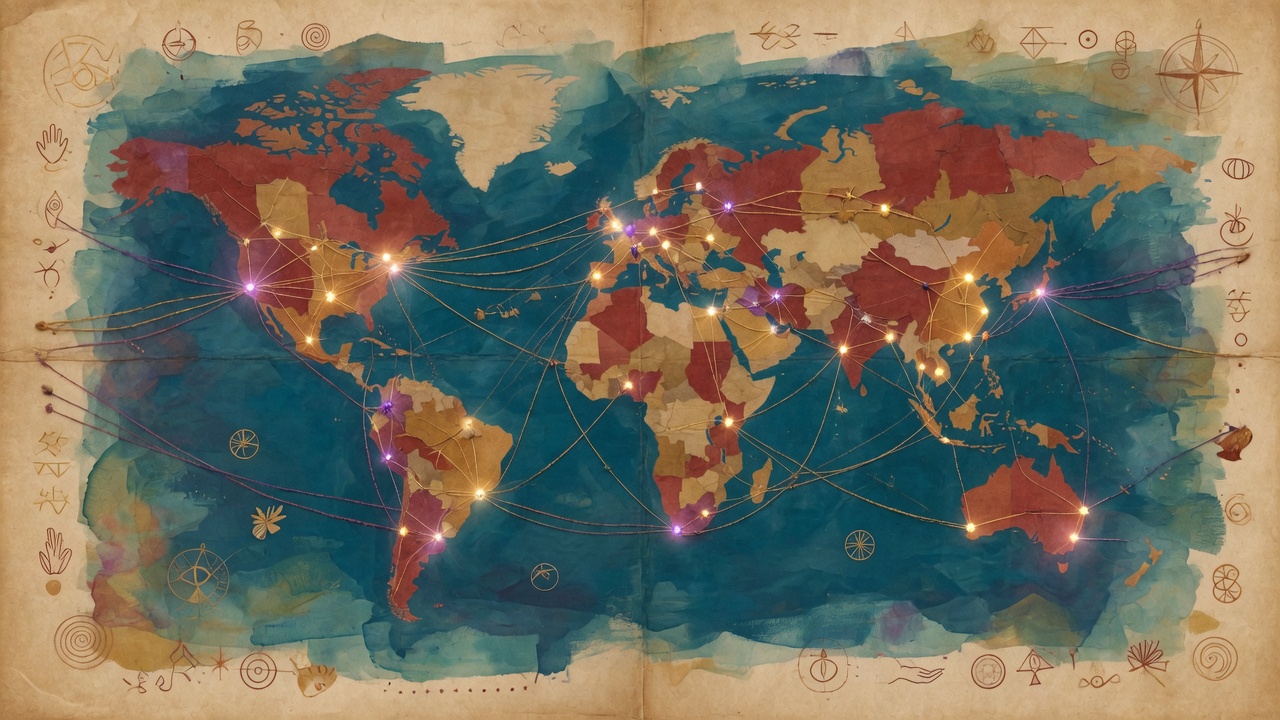
The mission of the Gender@Work Lab is to create a community for engagement that stimulates interdisciplinary collaboration with scholars, practitioners, activists, and artists who want to understand their work on gender and labor in historical contexts. It fuels collaboration to grow programming, research, resources, and learning across the Global North and South.
Centering historically marginalized communities — particularly Indigenous and Afro-descendant women whose bodies, labor, and knowledge systems have been sites of state control and resistance across centuries — the Lab takes a transnational and decolonial approach. It challenges the Eurocentric frameworks that have shaped gender and labor history and places at its core the voices and experiences of women of color excluded from academic narratives.
Our Approach
Reciprocity, not extraction
Methodologically, the Lab combines archival research, oral histories, and public engagement to illuminate the continuities between colonial violence and modern gender inequities. Its emphasis on intersectionality and transnational solidarity broadens the historical record and models ethical collaboration — generating relationships based on reciprocity rather than extraction.
Transnational
Building pathways for cross-border collaboration that bridge the Global North and South.
Decolonial
Challenging Eurocentric frameworks and redistributing authorship and authority.
Open-Access
Multilingual, free, and open — quashing barriers of geography, resources, and language.
Leadership
The Lab directors
Gender@Work is directed by three scholars across three institutions. An advisory board is in development.
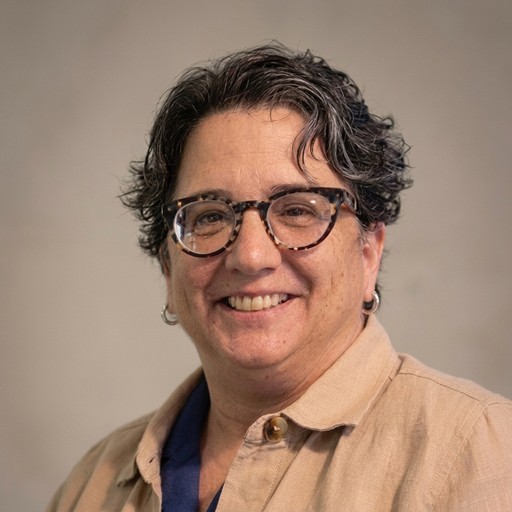
Emily E. LB. Twarog
Co-Founder & Director
University of Illinois Urbana-Champaign (USA)
Emily E. LB. Twarog (she/they) earned her PhD in American History at the University of Illinois at Chicago and a master's in labor studies at the University of Massachusetts Amherst's Labor Center. Her book “Politics in the Pantry: Housewives, Food, and Consumer Protest in 20th Century America” (Oxford University Press, 2017) examines how American housewives used food protests as political tools to gain influence locally and nationally. She has written widely on working-class women's leadership development and gender violence in the workplace, and is currently writing “Hands Off: A History of Fighting Back against Sexual Harassment in the American Workplace.” A recipient of an ACLS Frederick Burkhardt Residential Fellowship, she is Secretary-elect of the Labor and Working Class History Association, an editor at the Labor Studies Journal and Labor: Studies in Working Class History, and a board member of the Mother Jones Heritage Project.
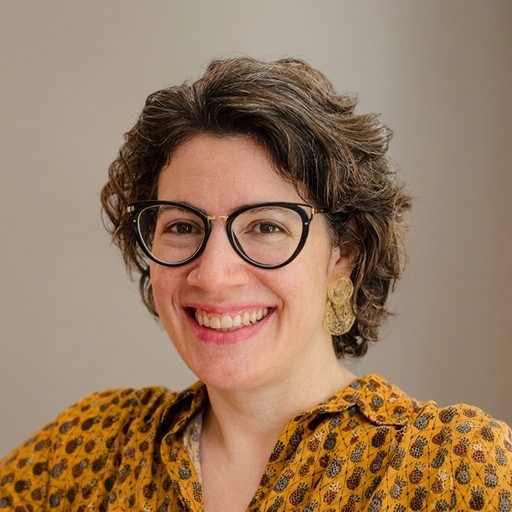
Elisa Frühauf Garcia
Co-Founder & Director
Universidade Federal Fluminense (Brazil)
Elisa Frühauf Garcia is Professor of History at Fluminense Federal University (UFF), where she also earned her PhD. A CNPq Research Productivity Fellow, her research has been supported by FAPERJ, the Fundación Carolina, the Newberry Library, and the Max Planck Institute for Legal History. She has held visiting appointments in Brazil and abroad, including as Distinguished Visiting Professor at the Lemann Center for Brazilian Studies at the University of Illinois Urbana-Champaign. An expert on the Indigenous peoples of Brazil, her work explores Native women, colonial history, cultural heritage, and digital public history, and how historical knowledge shapes contemporary debates on memory, heritage, and Indigenous futures.
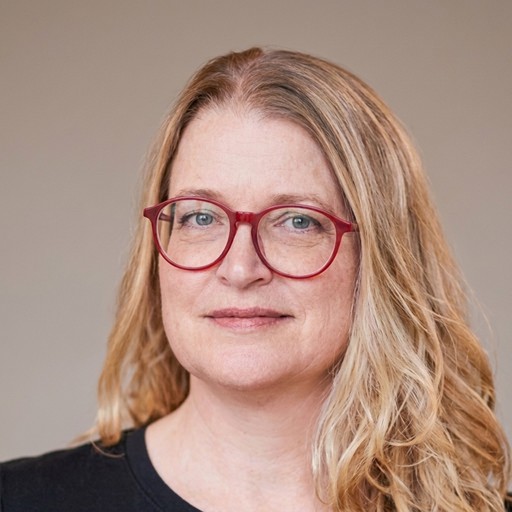
Courtney J. Campbell
Director
University of Birmingham (UK)
Dr Courtney J. Campbell is a social and cultural historian whose current research focuses on the history of care, exile, migration, and transatlantic antifascism through the story of the Benario Prestes family. Her book “Region Out of Place: The Brazilian Northeast and the World (1924–1968)” was published by the University of Pittsburgh Press in 2022, and her work has appeared in Past & Present, Slavery & Abolition, and the Luso-Brazilian Review. She is Associate Professor of Latin American History and Co-Director of the University of Birmingham Brazil Institute.
Partners
Community & institutional partners
The Lab builds sustainable, equitable partnerships with local organizations, NGOs, labor unions, and artists — including Wiki Movimento Brasil, the Initiative for Women's Empowerment Association (IFWE) in Turkey, and the International Trade Union Confederation. Institutional support comes from the UoB Brazil Institute, UIUC's Lemann Center for Brazilian Studies, the Center for the Study of Global Gender Equity, the Humanities Research Institute, and UFF's History Department.